Tuesday, 26 October 2010

Out with the old....

I'd advertised our old Bukh 10HP on BoatsAndOutboards, with a few words and a link to my own web page with plenty of photos, details on the engine and even a video of it running. Anyone reading this blog could see the mileage we'd done, so the engine must have worked at least a bit.

I still had visions of the old engine being in our garage all winter, stubbornly refusing to sell. In the end, we need not have worried, we had several people interested, and it came down to who could get a deposit to us first. That was Mark, from Worcester. I'd ensured everyone was clear that we felt the engine underpowered for our boat. Mark wanted it for a 24fter, so I was happy.

We picked the worst possible day to remove it, very heavy rain, and we were all soaked by the end of it, covered in diesel and oil too. The day before, I'd disconected all the electric cables and diesel and water pipes. Finally I loosened the flywheel and removed that - must have weighed a good 30kg!

My father and Mark started undoing the engine mountings and I disconnected the throttle and gear cables, and undid the bolts holding the gearbox flange to the prop shaft.

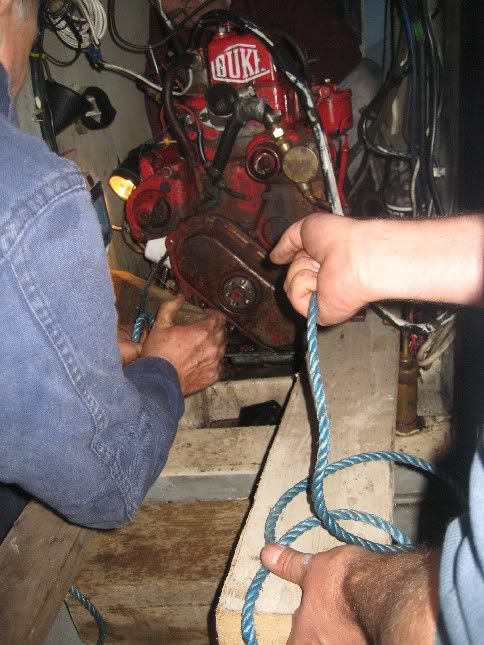
We inserted two longish 6x2" planks and eased the engine up onto them, using them as levers.

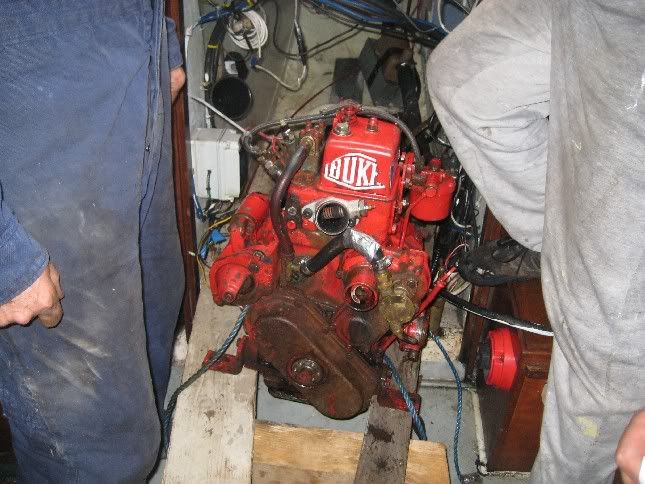
[caption id="" align="alignnone" width="240" caption="Heave"]Heave[/caption]


My father and Mark then pulled on a rope around the engine whilst I pushed from behind, in the engine compartment. Heavy, dirty, oily and wet, but gradually she slid forward into the saloon.

[caption id="" align="alignnone" width="320" caption="Easy does it"]Easy does it[/caption]


Just in time for us, our mate, Allan turned up. With strong ropes secured all around the engine, the four of us managed to lift it out of the boat, and onto a pallet alongside, in the torrential rain. Mark then set about securing it as we lifted it into the trailer. It was late afternoon, just as the rain stopped that I waved him off.

Job done.

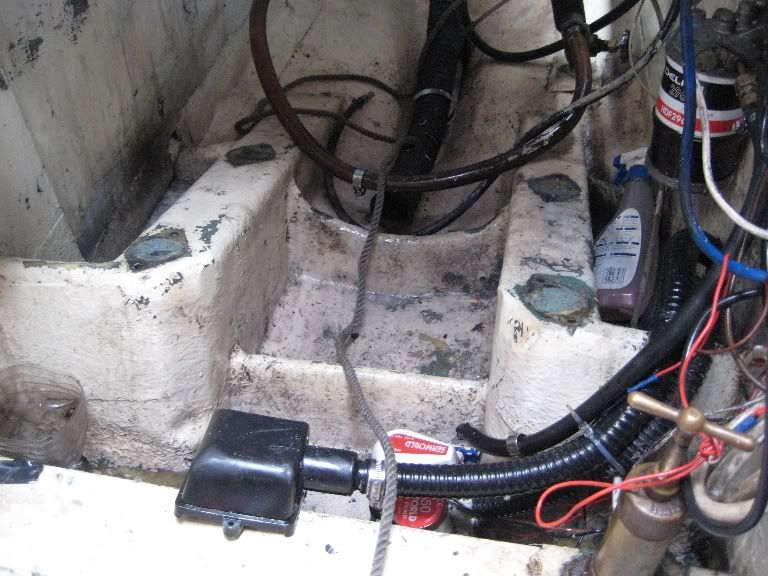
[caption id="" align="alignnone" width="300" caption="Gone!"]Gone![/caption]


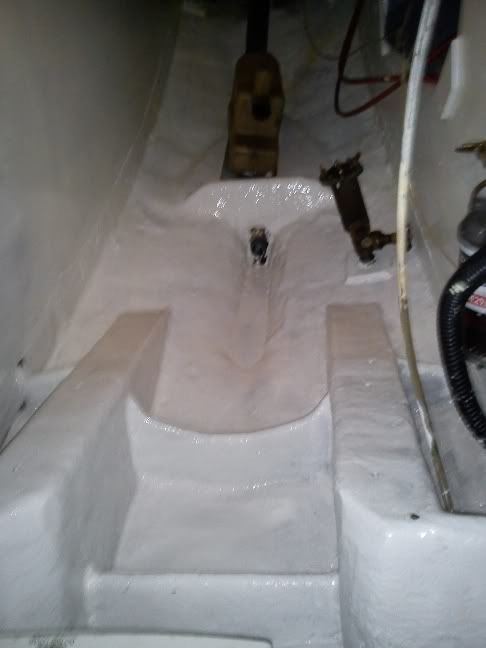
You couldn't recognise the engine room a few days later, once Louise had been in there with her cleaning fluids, potions, unguents and paint!

[caption id="" align="alignnone" width="240" caption="Shiny"]Shiny[/caption]

Sunday, 10 October 2010

Biting the bullet

We've ordered a new engine.

Ishtar is a sailing boat, and as such, the engine is supposed to take us from our place of mooring, or anchorage, to a point where we can raise the canvas and sail away into the sunset.

The reality of course, is somewhat different. There are times when we simply must get back, for work or other commitments. Times where there is no wind, or times, like earlier on this year, where we just really don't want to be out in rough conditions and a worsening sea state.

Our Bukh 10HP was fine for getting us from our mooring to getting the canvas up, but, we feel, not much use apart from that. In other areas of the UK, or in the Med, we'd be quite happy with the engine, but in the Bristol channel and Pembrokeshire, and the strong tides, we've several times been stuck going nowhere, or backwards. Luckily, we've managed to sail ourselves out of trouble, but may not always be so lucky.

Our friends who also have a 28ft, similar design to Ishtar, have a 17hp engine, which seems to cope well with the channel. Calculations suggest around 4HP per tonne. Ishtar is 3.5 tonnes probably in excess of 4 tonnes fully laden, suggesting 16-17hp is about right. 10HP seems wrong.

Our friend Tom visited us recently and we went for a sail, He seemed quite happy with Ishtar generally, but his comments on changing the engine made us think, and we started to realise that it was something we would have to do.

This winter we had planned to rebuild our retaining wall at the back of the house. That plan has been shelved until next spring, and the money we had saved to do that (All Louise's night shifts) will now go to wards the new engine.

So, watch this space.

Saturday, 2 October 2010

Time for a rest

It's been over 2 years since Ishtar was last on dry land. We'd thought about bringing her out this winter for some new antifoul and a general tidy up, possibly some more major work too if we could find the money. When I mentioned November to our compound master I nearly had to call an ambulance.

It was out for a month now, or wait until March. That was too late, so hasty arrangements were made.

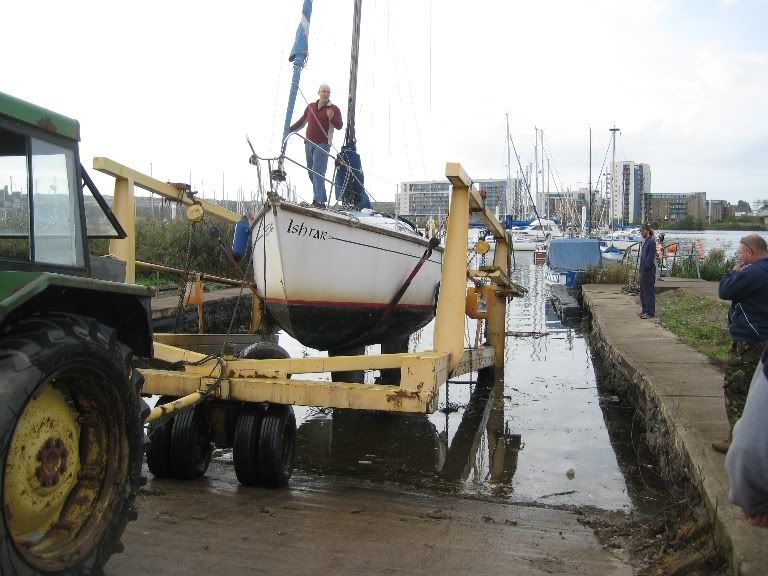
We arrived at the club 08:00 this morning and got Ishtar ready. We'd left our cradle at the club 2 years ago. I found it and reattached a couple of pads. The compound guys turned up at 10, and we eased Ishtar into the hoist.

[caption id="" align="alignnone" width="300" caption="Ready to lift out"]Ready to lift out[/caption]


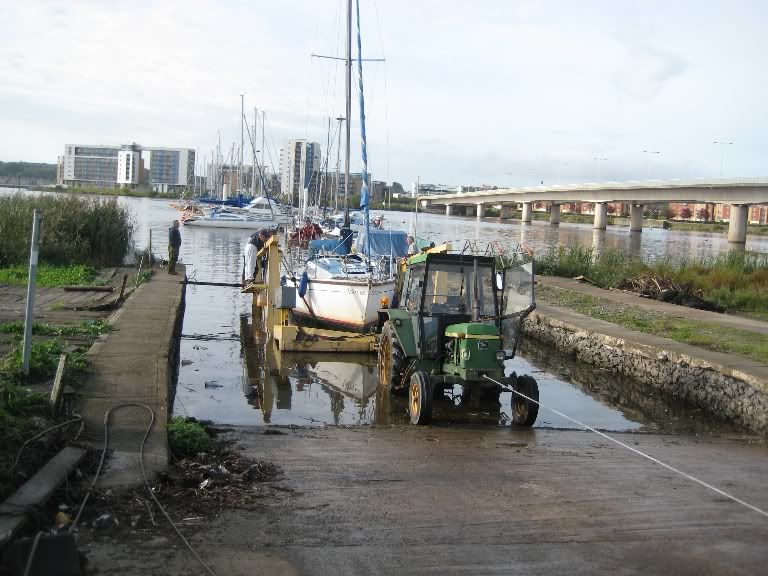
The club uses a tractor to move the hoist, and this is attached to a powerful winch when lifting in and out using the club slipway. Up she came.

[caption id="" align="alignnone" width="300" caption="Lifting out"]Lifting out[/caption]


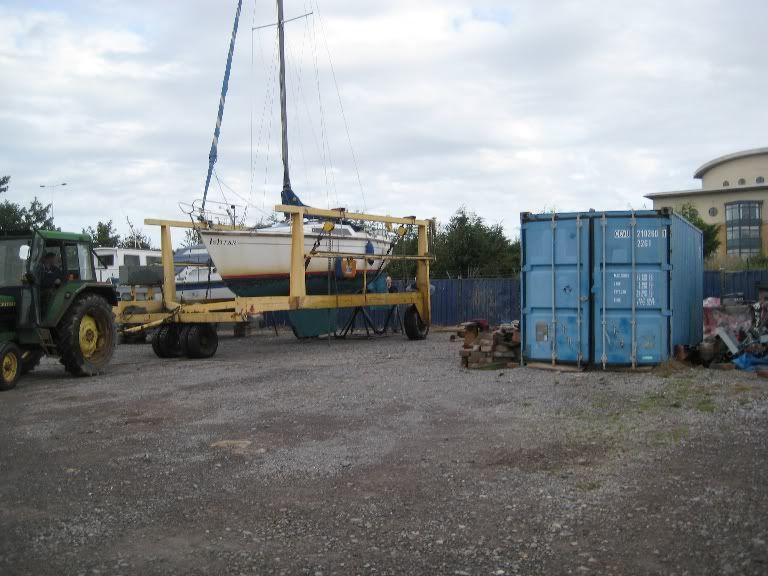
A spot of deft manoeuvring by Ian on the Tractor, and Ishtar was inched backwards towards her cradle:

[caption id="" align="alignnone" width="300" caption="Nearly there"]Nearly there[/caption]

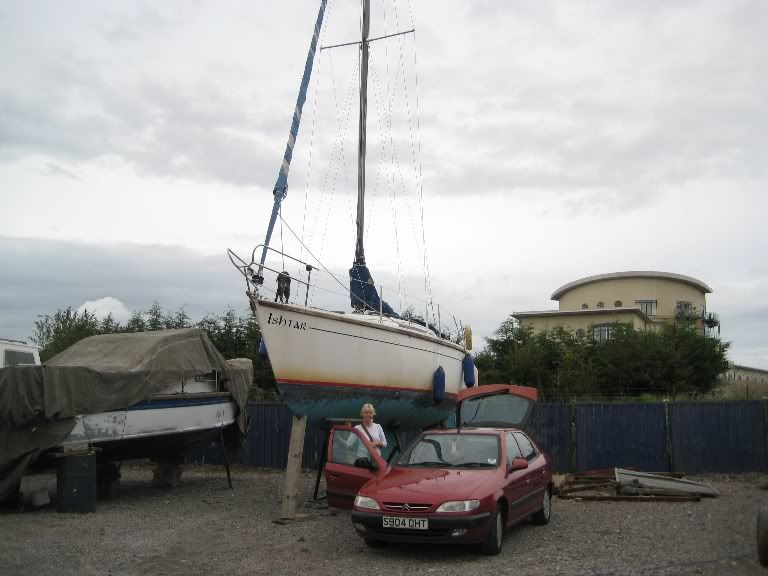
 Wedges, blocks, and a fair bit of 'Is she standing up straight?' type questions and that was that. Louise started tidying, I started making a list of jobs to be done. As we readied the car to leave, a small black person rushed to the bows, with a 'Have you forgotten something' look on his face!

[caption id="" align="alignnone" width="300" caption="All done"]All done[/caption]

Monday, 27 September 2010

Are we sinking?

Twice in the last 15 months we've thought that, and twice it's been the Plastimo flexible water tank housed in the forecabin. When the second one split, 13 months after buying it and one month after the guarantee expired, I decided enough was enough, and fitted a rigid tank.

A plastimo tank, around 70litres, designed for a boat was around £75, fittings extra. A Fiamma one, designed for a camper van was £49.95, fittings included.

These guys really know how to deal with us boating folk........

I removed the old tank, cut away the false floor supporting it in the locker under the forecabion berth and fitted a new floor, sloping to allow the water to drain to a lowest point. Louise painted the locker and I fitted the new tank.

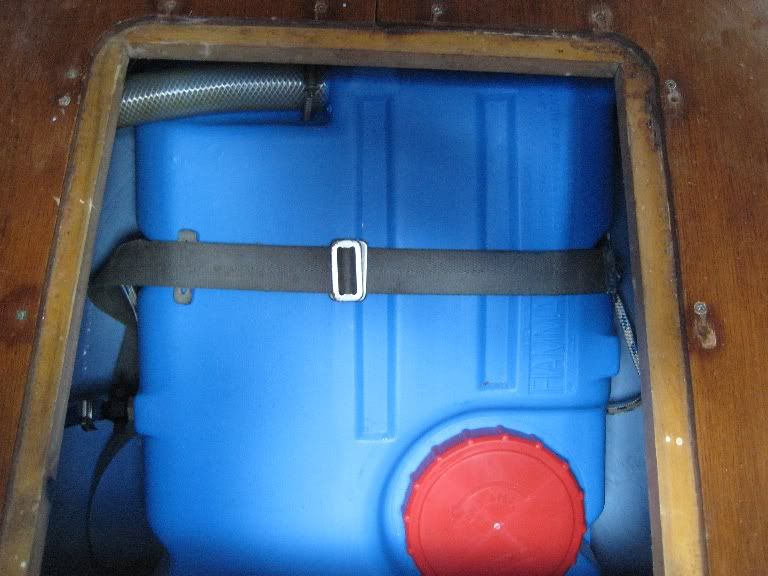
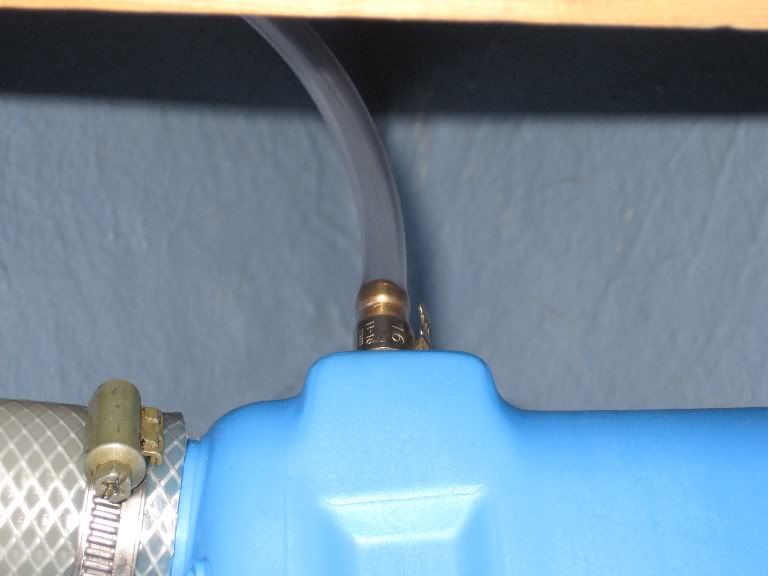
Initially, it was not vented, until we realised that the resultant air lock stopped us from filling it. I then fitted a vent pipe, running it up to just below the deck filler for the main water pipe - figuring any water spilled, even when heeling, would be minimal. Perfect!

[caption id="" align="alignnone" width="300" caption="The new tank"]The new tank[/caption]


The 'breather pipe'. I ran this from the top of the tank to a high point, near the water intake, just below decks.

[caption id="" align="alignnone" width="300" caption="Vent pipe"]Vent pipe[/caption]

Wednesday, 22 September 2010

A trip round Flatholm with company

We hadn't planned to go for a sail. The boat was back in Cardiff and we had anticipated a few weeks maintenance. The sun was out, the winds were light and our friend Tom was staying with us. It seemed silly not to go out for a couple of hours.

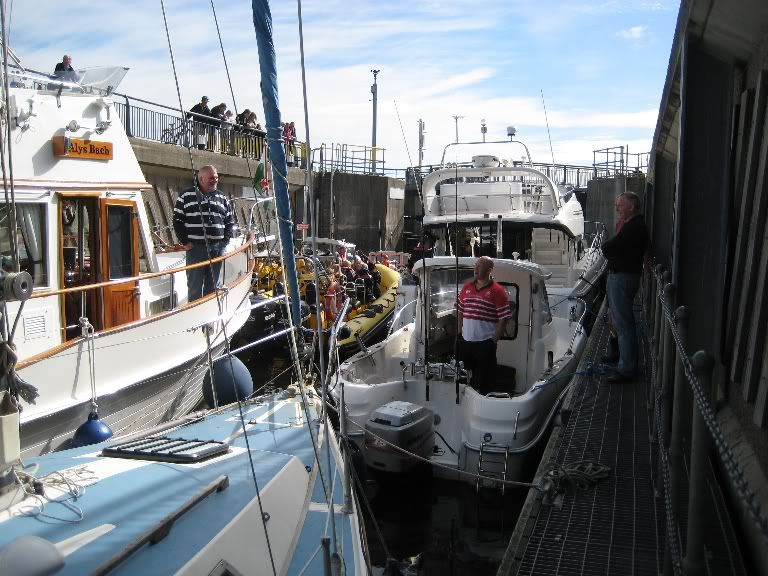
The racing fleet were in the bay, hardly moving in the light winds. They looked like a photograph, so little movement could be seen. The lock was similar:

[caption id="" align="alignnone" width="300" caption="Locking out"]Locking out[/caption]


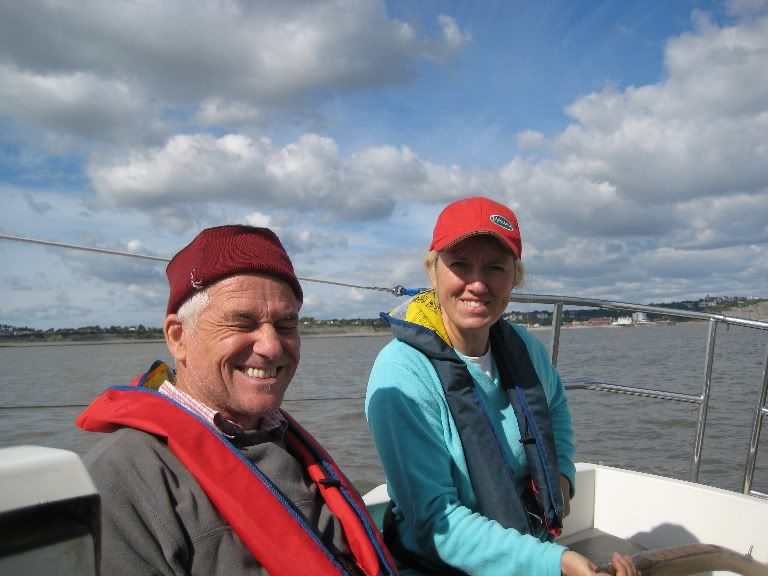
Engine off at the Outer Wrach buoy and we set full sail. With the wind a few points to the West of South West, it was a close haul to clear the West of Flatholm and then run around with the flooding tide. Louise helmed. Tom seemed to be enjoying it.

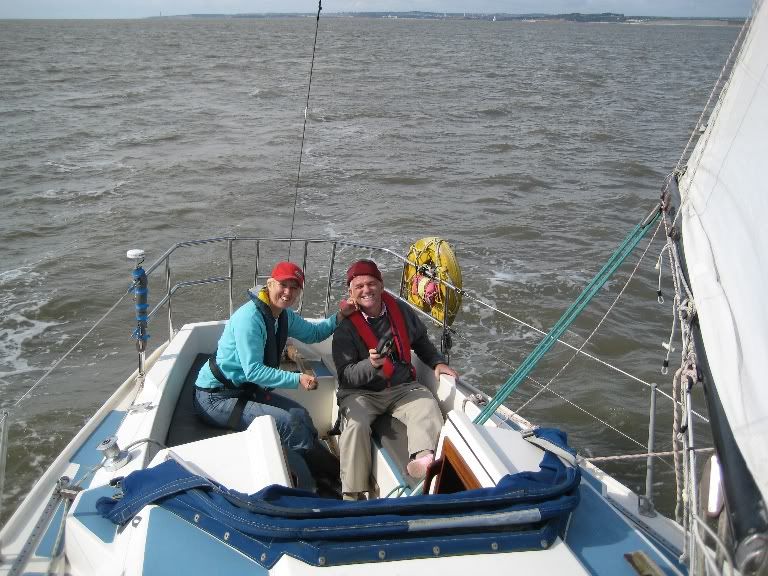
[caption id="" align="alignnone" width="300" caption="Louise and Tom"]Louise and Tom[/caption]


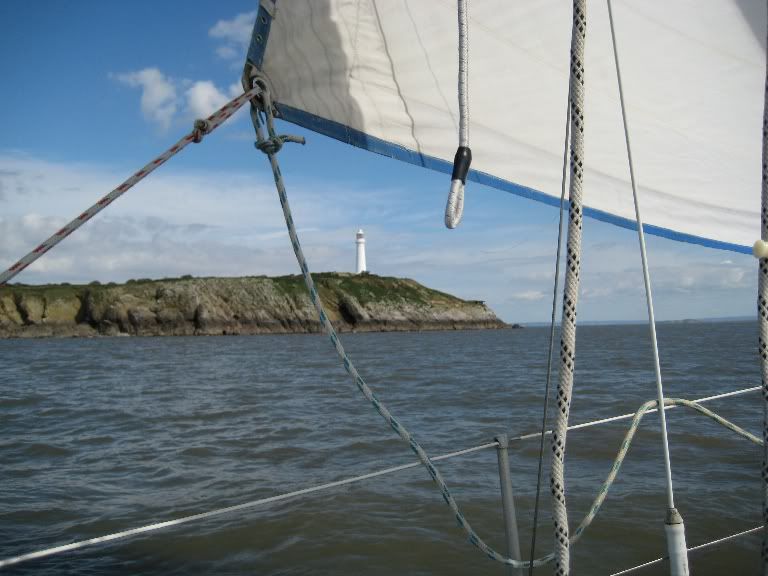
The tide was flodding, but was a very small neap. Trying to pass West of Flatholm on a flooding tide, with the wind in the West was quite a task, and the GPS suggested we would not do it without a tack. Tom took the helm and his experience showed. We passed very close to the island before turning East and then back North, around it.

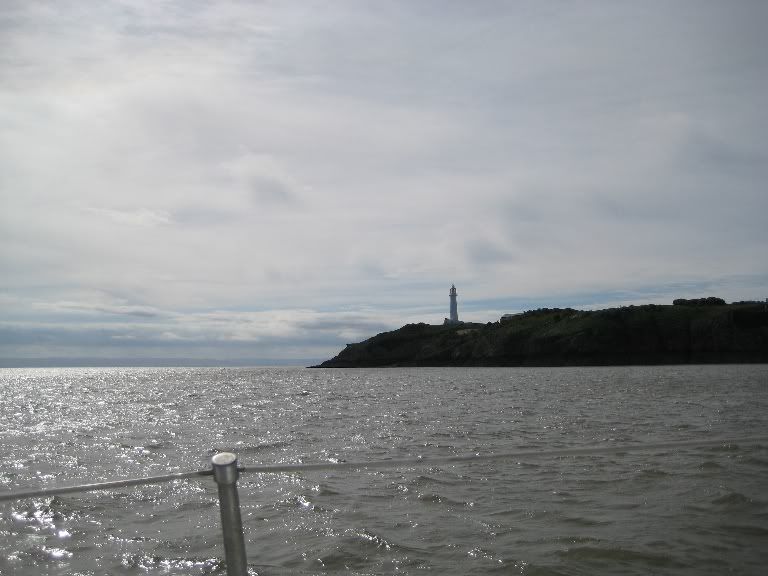
[caption id="" align="alignnone" width="300" caption="Flatholm from the West"]Flatholm from the West[/caption]

Tom seemed very concerned about the depths, 3 and 4m and so on, and the rips over the Bristol Channel sand banks. Blue water sailors! Never happy with less than 2 miles under the keel. It was interesting to remember back three years, to when Louise and I were exactly the same. Local knowledge has taken away almost all of that fear.

The wind picked up as we turned for Cardiff, and Ishtar began to sing, her bow cutting the waves. She's not the fastest, nor the prettiest, by far, but she does make me smile when she bristles and champs, then lurches forward, chasing the wind.


[caption id="" align="alignnone" width="300" caption="...and the East"]...and the East[/caption]


A warm Saturday afternoon in late September, and everyone seemd to be enjoying the weather. Tigger was guarding below decks.

[caption id="" align="alignnone" width="300" caption="Warm"]Warm[/caption]

Catastrophe struck as we neared the Outer Wrach buoy! A huge pool of oil in the bilges and the engine would not start. When I remembered I had tightened the alternator belt before leaving, I found that I'd moved the starter motor fractionally. Easily solved and I tighted its loose nut. The huge pool of oil turned out to be water from a leaking cockpit lid, dislodged by our sail, with a thin film of oil over the top, I relaxed.

One of those days when you get back to the pontoon wishing you were still out sailing.

Monday, 20 September 2010

Home to Cardiff

Click pictures to enlarge.

It's mid September. In the UK, this can mean long warm settled days, sadly missed earlier in the year, or violent Atlantic depressions, racing in one after another. Being very busy, and with a list of maintenance items to addrees this winter, we decided to return to Cardiff with Ishtar at the first opportunity.

The weather for the weekend looked good, rain and Force 6 winds on Friday, settling on Saturday with High pressure, sun and Westerly 3s and 4s. Perfect. We decided to remove the head buoy from our mooring, and leave a line attached to the riser chain, dropping that to the sea bed to reduce wear over the winter. Our friend Vince wanted to do likewise on his mooring, and kindly agreed to drive our car back from Dale to Cardiff.

Dale was in a grey mood, overcast, windy and muddy, with a 7.7m tide - the highest, and lowest, I'd ever seen.

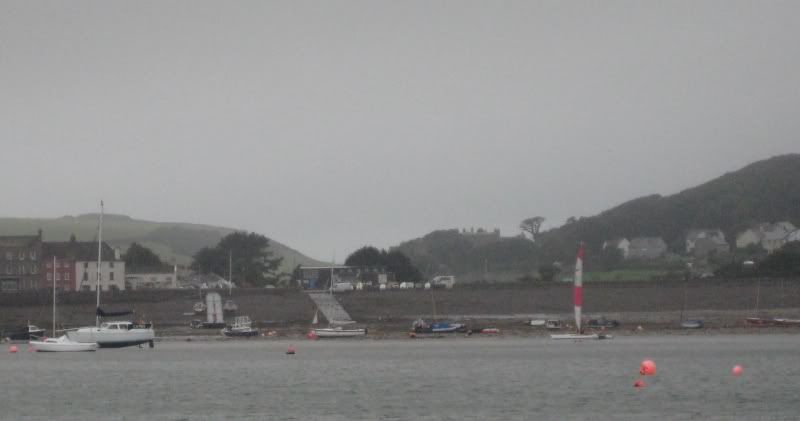
[caption id="" align="alignnone" width="300" caption="Low tide"]Low tide[/caption]


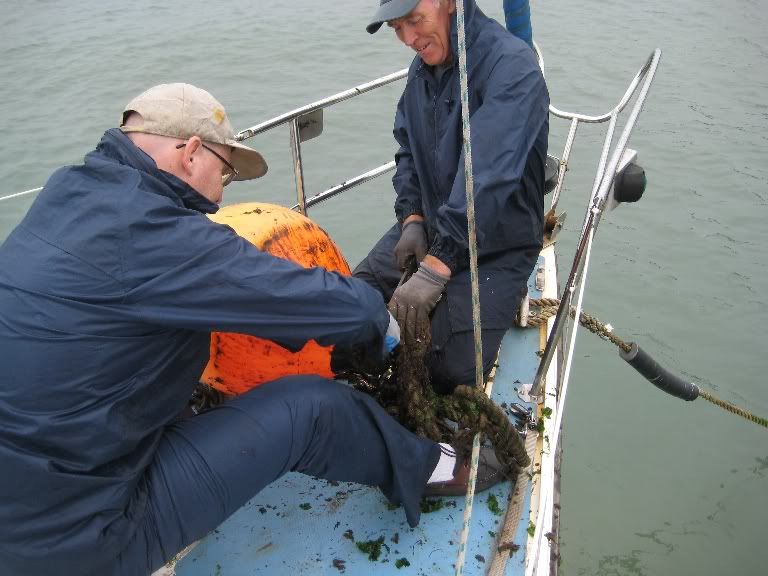
We immediately set about the moorings, scraping kelp and laverbread from the buoys, removing seizing wire and undoing shackles. We were sheltered from the mainly Westerly winds, but not from the driving drizzle.

[caption id="" align="alignnone" width="300" caption="Winterising the moorings"]Winterising the moorings[/caption]

That took about an hour. Vince and I had coffee and Welsh cakes. Vince liked those, and decided Ishtar would sail faster with less weight, so did his best to ensure we would be unencumbered by excess Welsh Cakes. Thanks, Vince.

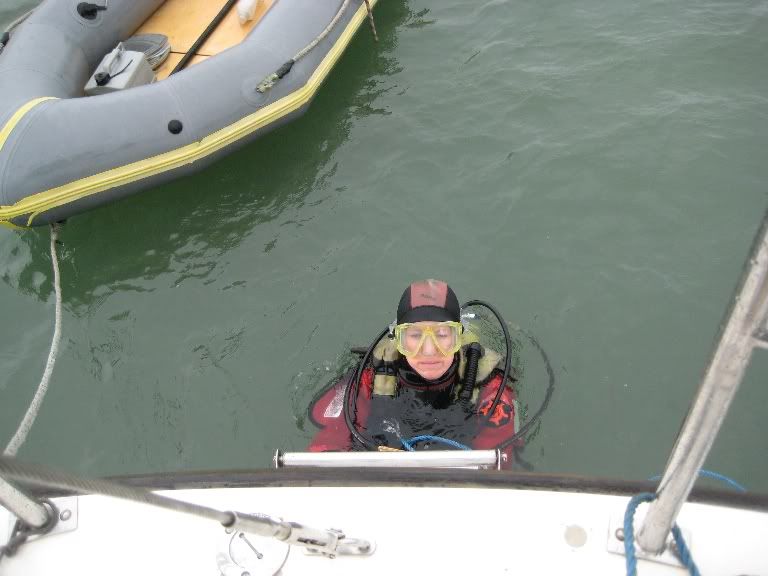
Louise wanted to dive before we left, and scrape some of the remaining weed from the hull, again, hopefully speeding our trip.


[caption id="" align="alignnone" width="300" caption="Smile!"]Smile![/caption]


It wasn't long before she returned to the surface, reporting that the weed was restricted to the waterline, and we'd removed most of that last week. I took Vince ashore, thanked him for his help and he left. By this time, it was pouring with rain, and the wind was howling in the rigging. The pontoon was empty and Dale seemed like a ghost town as the evening faded.

I checked the weather. The high pressure was still there, but by Monday another low would force it down over France, with strong Southwesterlies forecast for Monday. We'd planned to go to Tenby, then Oxwich, across to Porlock and then to Cardiff. Our thinking was that with the huge tides, we would not make any progress at all when it turned against us, so we'd have to make shorter than usual hops up the channel, waiting on the flood.

I remembered hitting a foul tide approaching Milford a couple of years back and checked our pilot (The excellent Sea guide to Pembrokeshire, by Tom Bennett). The tide turns to run West along South Pembrokeshire and St Govans head two hours before low. That meant an effective 8 hour flood, maybe 9 hours if we punched the last hour before it turned.

Food for thought as we tucked into our curry. The bombay potatoes were mighty hot, just right for a wet autumn evening.

The following morning was sunny, just as forecast with strong Westerlies. We decided to head straight for Oxwich if we could make it, leaving 3 hours before low water at 11:30. We'd hoped to meet friends for a beer at Tenby, but that would have to wait. Coffee and crumpets was followed by a period of stowing everything breakable.

As the time approached, I became much more nervous. The day of rough weather we had encountered after the Ireland trip was till at the back of my mind.

[caption id="" align="alignnone" width="300" caption="Cast off"]Cast off[/caption]


As we left Dale and turned Southwards heading out of the Haven, I nearly turned back. The swells were huge, and the waves crasheing onto St Anne's head brought back frightening memories. I remembered that it was the height of the ebb, with the biggest tide of the year, the Haven disgorging its entire contents into the Bristol channel, and the oncoming wind. Let's see what it's like at Freshwater West, away from the wind over tide.

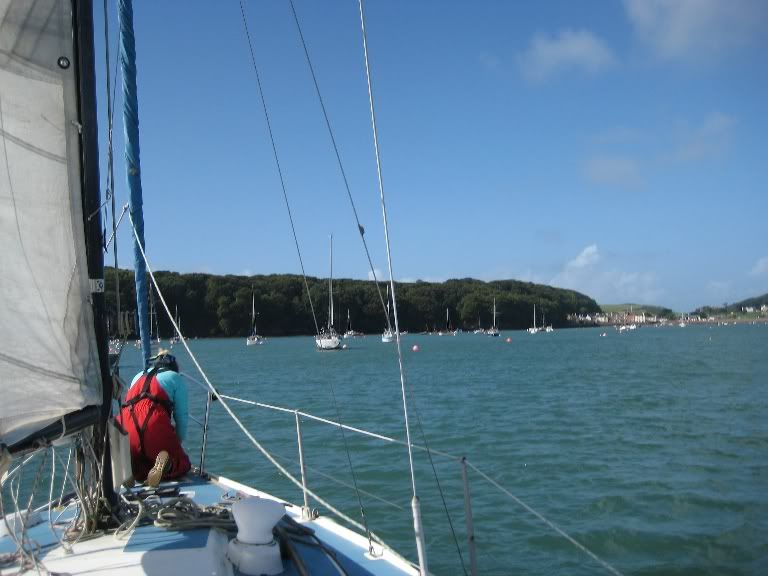
It calmed off near Crow rock, the swells down to 2m. we were already flying along at 5 and 6 knots under full sail. I could not help wondering at the designers of boats, as Ishtar rose up and over each swell effortlessly, maintaining her speed with the fresh winds. Louise seemed more relaxed, too.

[caption id="" align="alignnone" width="300" caption="At Freshwater West"]At Freshwater West[/caption]


Ishtar picked up speed and I began to relax. With the tide running with us for the next 8 hours, we'd make Oxwich an hour before the flood ended, at around 21:00. With Genoa flapping in the lee of the main as the wind veered Westerly, we dropped the main and ran with the wind.

Staying close in to the cliffs to avoid the St Gowan's shoals, I intended to head away from land before we were close to potential rough water at St Govan's head. The ranges were not firing, and we were glad we were not further out:

[caption id="" align="alignnone" width="300" caption="St Gowan's shoals"]St Gowans shoals[/caption]


Louise went below for some rest and I was alone. We'd left our dog, Tigger, with my mum - he will not do his business on the boat, so if we know we will not be going ashore, we don't take him. As the afternoon eased along, and we left Tenby, and Caldey light in our lee, I could just make out The Worm's Head - the start of the Gower peninsula in the distance. I spent the next few hours enjoying the sail as the wind and swells eased.

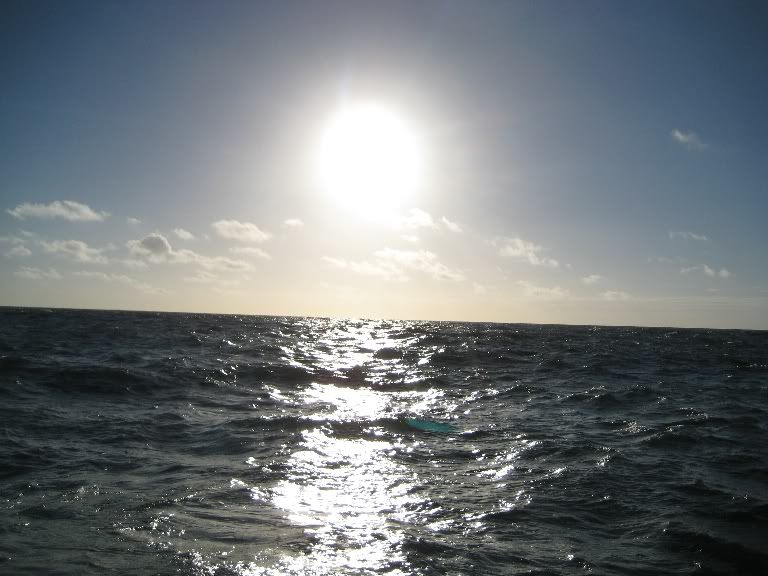
[caption id="" align="alignnone" width="300" caption="Sun and Sea"]Sun and Sea[/caption]


I love that picture. I've taken similar many, many times. Just the sun and the sea. You can't hear the wind, feel the warmth of the sun, nor smell the salt air, hear the birds, but it still makes me smile.

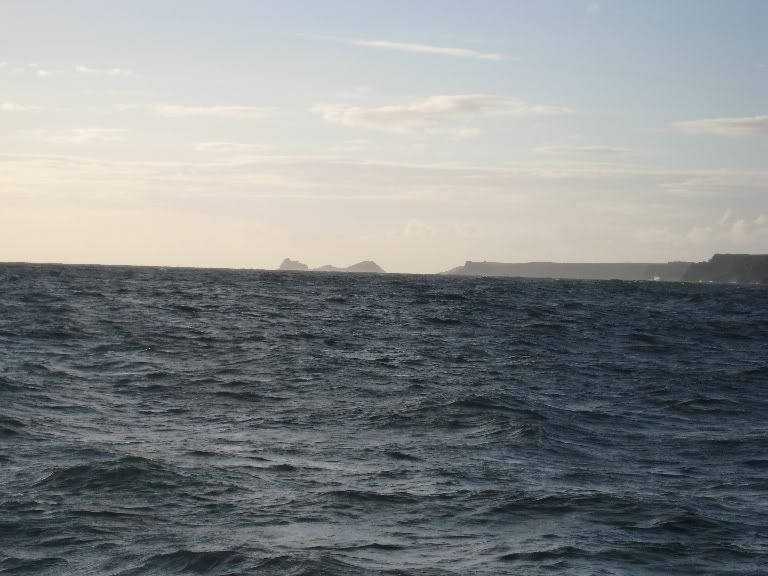
As Louise returned to the deck, we were well past the Worm's head, and Oxwich was just a few miles ahead.

[caption id="" align="alignnone" width="300" caption="Worm's head, Gower"]Worms head, Gower[/caption]


We were soon rounding Oxwich point and bedding in the anchor. The last of the swells dying down as the cool air of September passed over us.

[caption id="" align="alignnone" width="300" caption="Oxwich"]Oxwich[/caption]

We switched off the engine - we'd been running it for the last few hours to give an extra boost to our speed as the wind died down. 55 nm covered in just 8 hours. A fraction under 7 Knots average speed over ground. Bristol channel tides can be a help, as well as a hindrance.

Louise rustled up some bangers and mash, with tinned peas and broad beans and thick dark gravy. We would be up at around 02:45, so I thought a beer was a bad idea, despite a magnificent day's sailing, after a very nervous start.

I awoke 5 minutes before the alarm, at 02:40. Low tide was at 03:25, and then we would have approximately 6 1/2 hrs to get as far up the coast towards Cardiff as we could. Monday's forecast was now for Force 6-7 with occasional gusts of gale force. If all went well, we would anchor at Fontygary bay, or even Barry, catch a couple of hours sleep before setting off again about 16:30 to sail the last few miles back to Cardiff Bay.

Louise hauled in the anchor. With no moon, it was very difficult picking our way between used and unused mooring buoys before we cleared the bay at Oxwich. We'd have to head for the West Scar cardinal mark, to avoid the Scarweather and Nash sands before heading up the channel. Wind was Westerly about force 3. A bit stronger would have been nice, but we were not complaining.

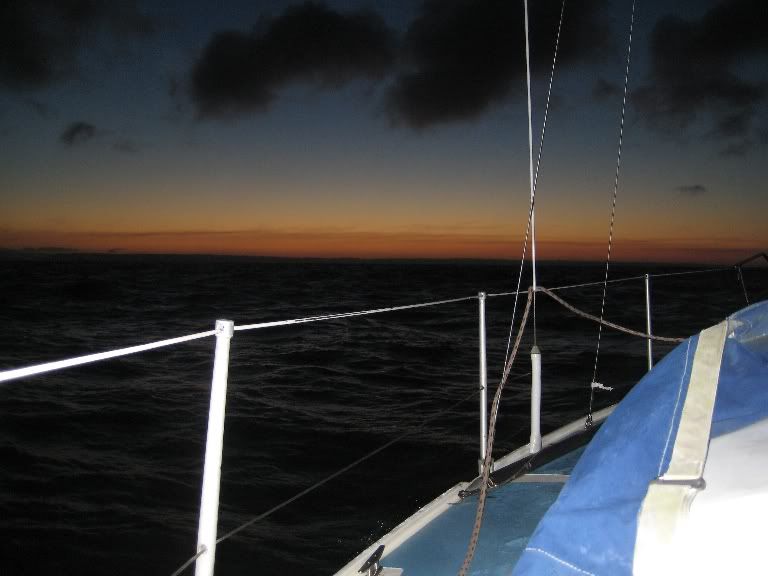
She punched the marks into the GPS and wanted to skipper the passage on her own. Fine, I thought, and went below to rest, at least until it was light. I stuck my head out a couple of hours later, and we were making great progress, Nash point just visible in the East.


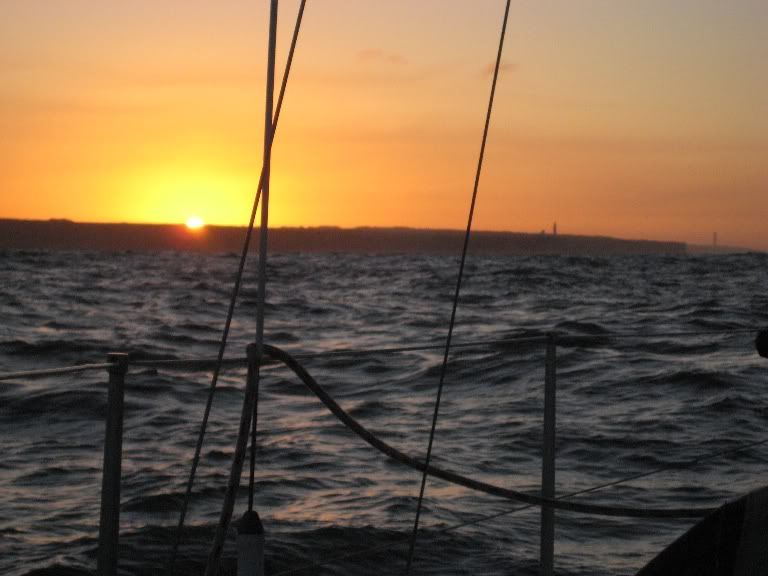
[caption id="" align="alignnone" width="300" caption="Just before dawn"]Sunrise[/caption]


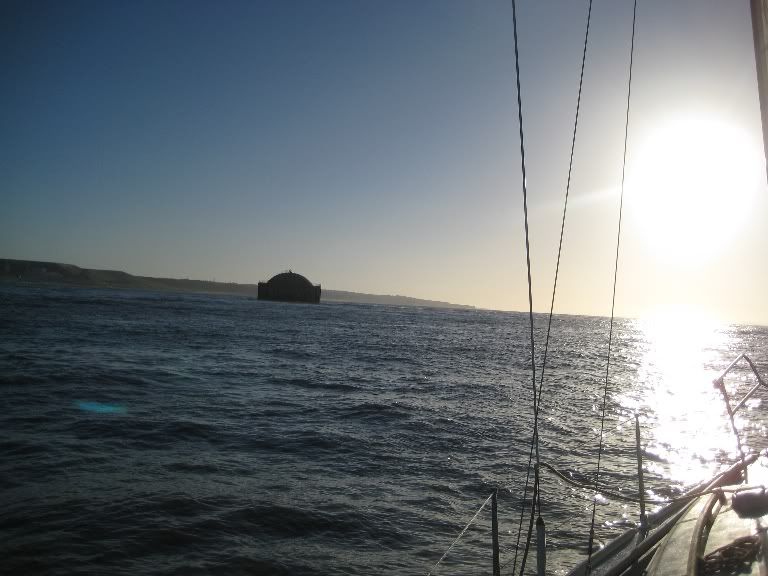
[caption id="" align="alignnone" width="300" caption="Approaching Nash Point"]Approaching Nash Point[/caption]


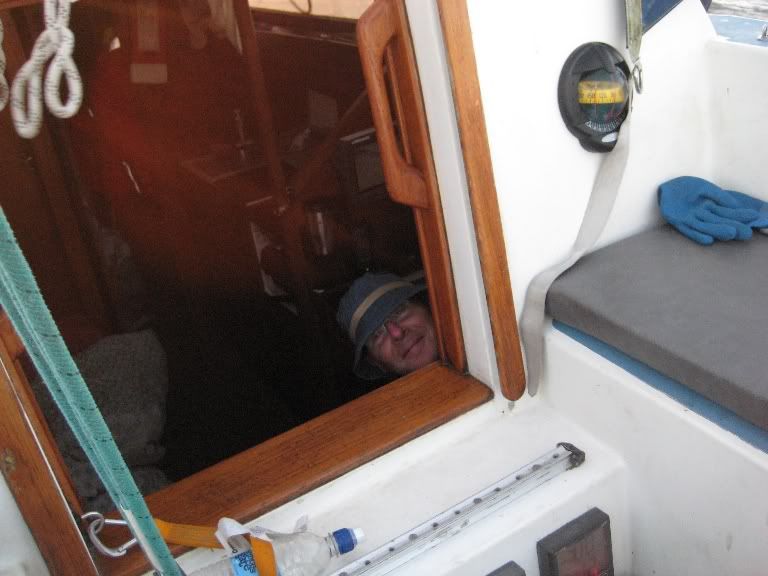
I was kept below, with orders not to touch the GPS, nor make any suggestions. Louise wanted to do it all.

[caption id="" align="alignnone" width="300" caption="Stay down there."]Stay down there.[/caption]


When I was finally allowed on deck, I asked Louise if we would make Barry or Fontygary bay. 'Cardiff' she replied. The GPS was now showing 9 knots SOG. The tidal prediction for this part of the coast was in excess of 5 knots with the huge tide, and we were using it to great effect, the engine now on as well.

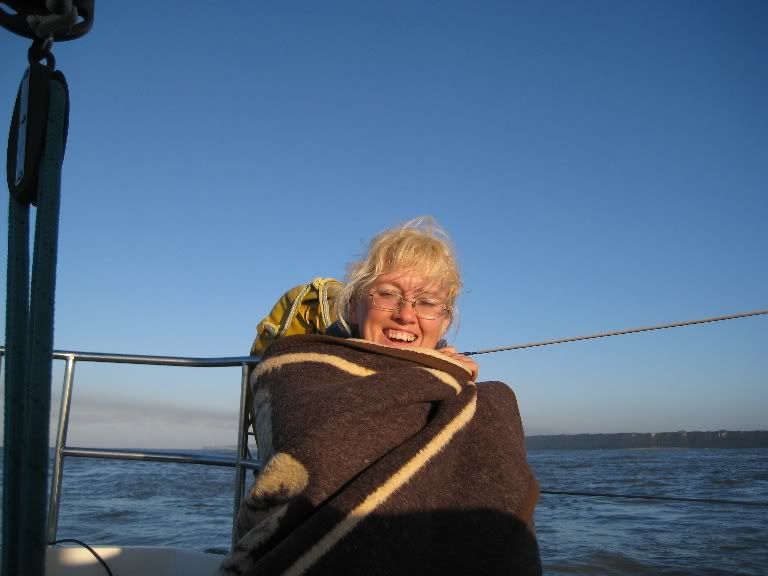
[caption id="" align="alignnone" width="300" caption="It's autumn!"]Its autumn![/caption]

Familiar ground, now, as we passed Aberthaw:


[caption id="" align="alignnone" width="300" caption="Aberthaw"]Aberthaw[/caption]

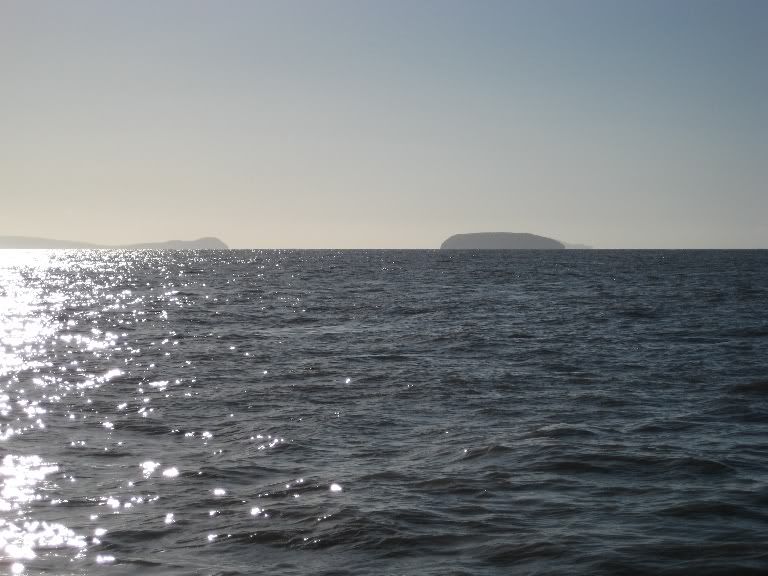
Steepholm, in the distance:


[caption id="" align="alignnone" width="300" caption="Steepholm Island"]Steepholm Island[/caption]

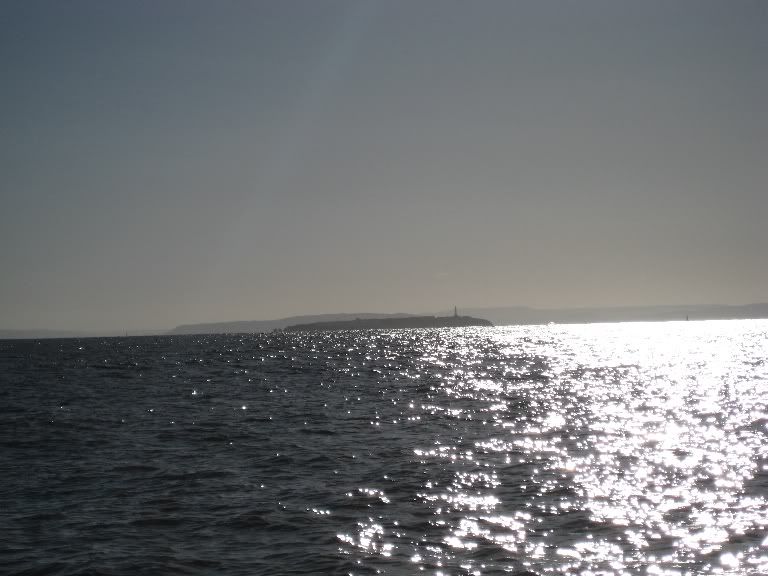
Flatholm, closer,


[caption id="" align="alignnone" width="300" caption="Flatholm Island"]Flatholm Island[/caption]


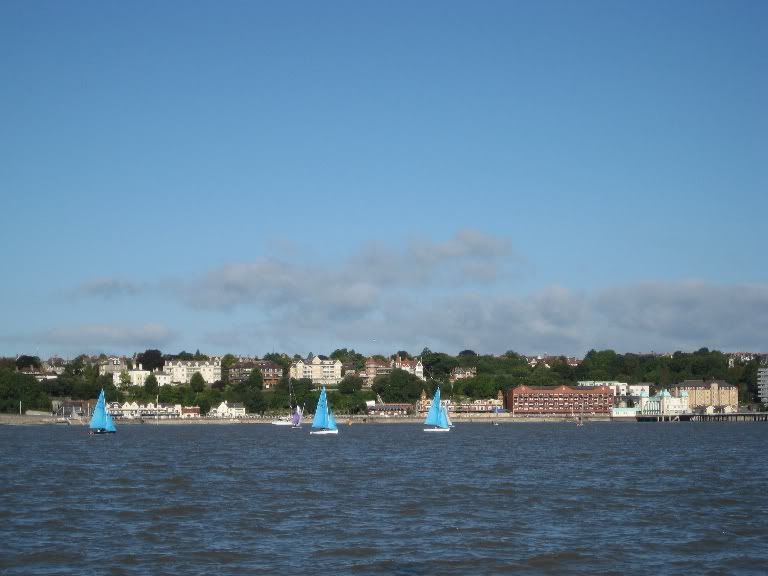
The GPS told us that we would easily make Cardiff before the tide turned, and we stormed past the Ranie buoy and Northwards towards Penarth:

[caption id="" align="alignnone" width="300" caption="Dinghies racing, Penarth"]Dinghies racing, Penarth[/caption]


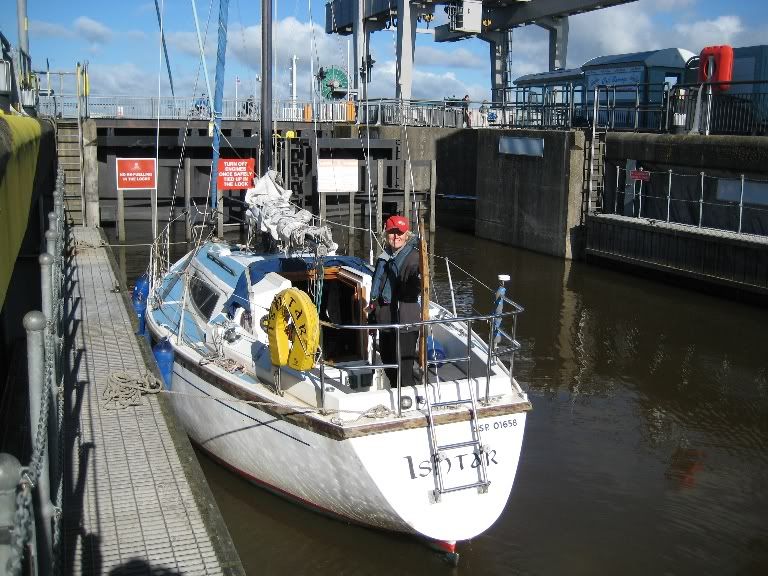
We made the 10:15 lock. Almost exactly 7 hours after leaving Oxwich. The GPS showing 55 nm covered. Yesterday was amazing at nearly 7 knots average, this was almost unbelievable, at nearly 8 knots!

[caption id="" align="alignnone" width="300" caption="Home"]Home[/caption]

With light winds, clear skies, sun and warmth, we may have made a mistake in leaving Dale so soon, but the split water tank and weedy hull were not the only signs that Ishtar needed some TLC this winter. 15 minutes after locking in, we were tied up on C pontoon, Cardiff Yacht club, and there were plenty of friends about.

Good to be back home.
Sunday, 12 September 2010

Summer's gone, and all the leaves are falling....

Yes, it's that time of year again. The time of year when one finally realises there is not much chance in still holding out hope that summer will start and start thinking about Indian summers. That is, Friday evenings in front of the telly eating an Indian, instead of battling against inclement weather.

Louise missed the previous weekend, so was dead keen to go and try and have a nice weekend this one. Tigger rather fancied the curry.

He soon changed his mind. A short sail across to Watchhouse bay and we anchored up. Louise deposited a dancing Tigger in the Dinghy and set off for the beach:

Beach Time


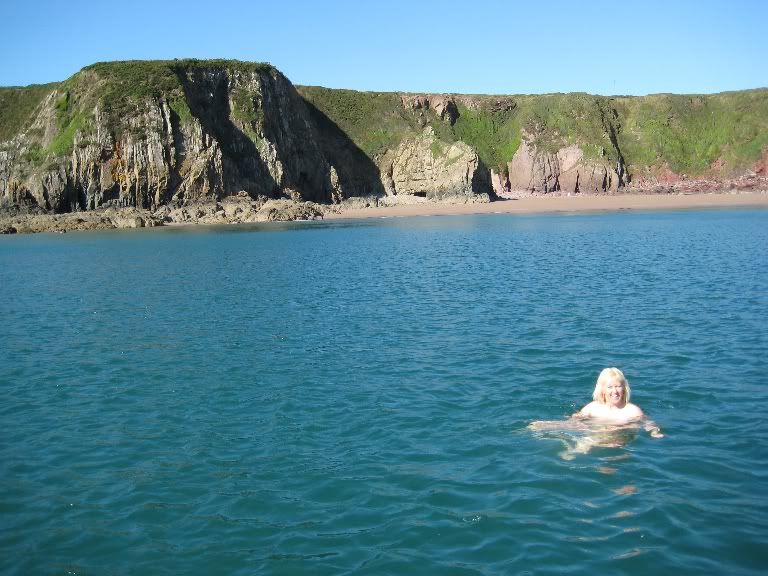
Great fun was had, Tigger swimming after sticks. Louise joined in when they got back to the boat. It looked freezing.

[caption id="" align="alignnone" width="300" caption="Nice In?"]Nice In?[/caption]
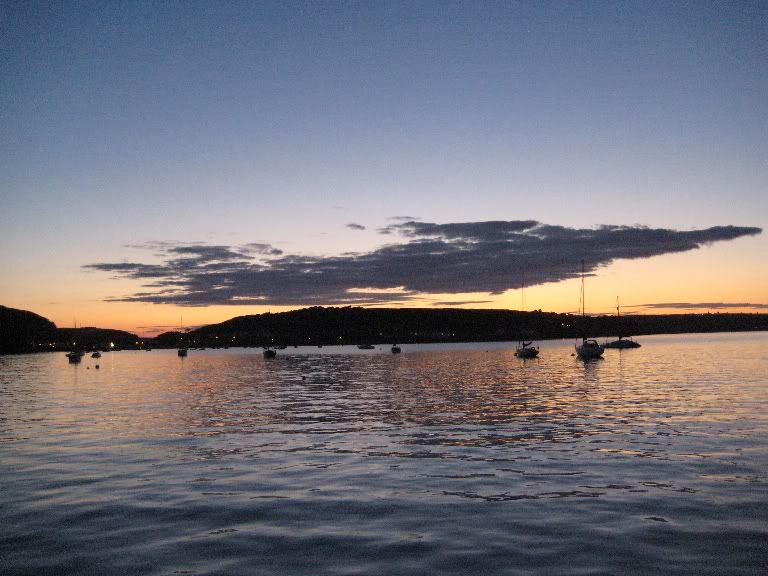
It wasn't long before the shadows lengthened and we headed back to the mooring for another wonderful sunset and a glass of beer:

[caption id="" align="alignnone" width="300" caption="Dale Sunset"]Dale Sunset[/caption]
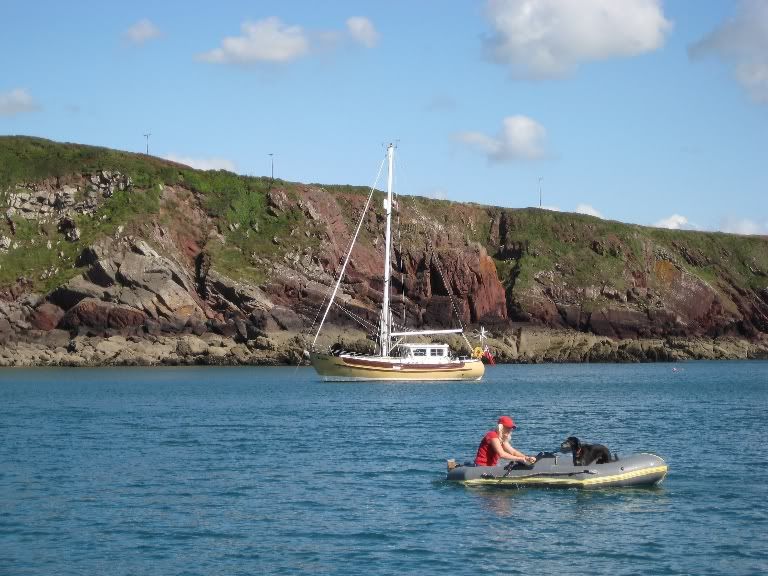
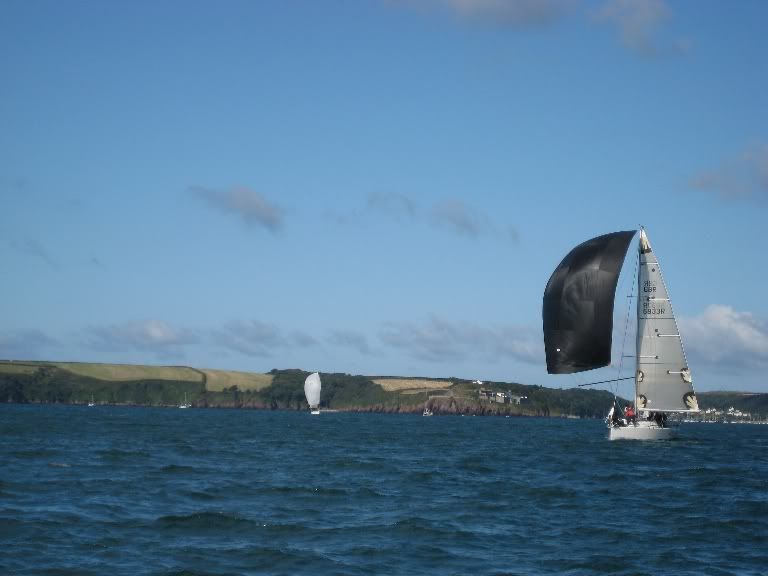
The following day and strong winds again. Louise wanted to do some shopping so we headed up to Milford, not making quite so much speed as some of the racing fleet.

[caption id="" align="alignnone" width="300" caption="Racing"]Racing[/caption]
 

The day pretty much ended there. Our mainsheet, which had been slipping for a while, resolutely refused to hold the sail in the strong winds. We tied up on the Mackeral stage, Louise did her shopping and then we headed back to Dale, for some repairs.

I can't splice braided line, so it was out with the needle, cotton and some whipping twine. Louise did a lovel job, and a late evening sail proved it was strong enough.

[caption id="" align="alignnone" width="225" caption="New mainsheet"]New mainsheet[/caption]
The following day looked more promising. We left the mooring early, with a view to a sail up the river and back:

[caption id="" align="alignnone" width="300" caption="Early morning, Dale."]Early morning, Dale.[/caption]
 

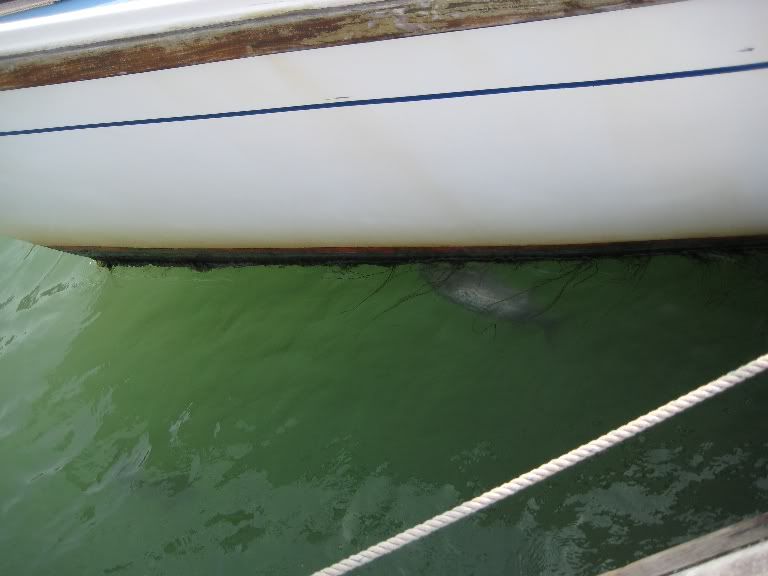
We stopped off at the pontoon to scrape off some of some of the weed that was growing on Ishtar's hull. Louise and I spent half an hour with a couple of oars, which was surprisingly effective. I took this picture, not noticing somone else helping us.....

[caption id="" align="alignnone" width="300" caption="Hungry?"]Hungry?[/caption]
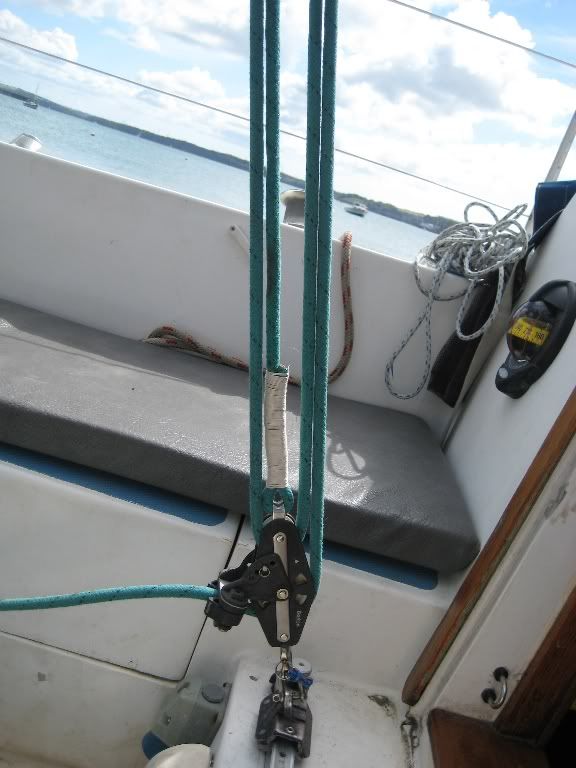
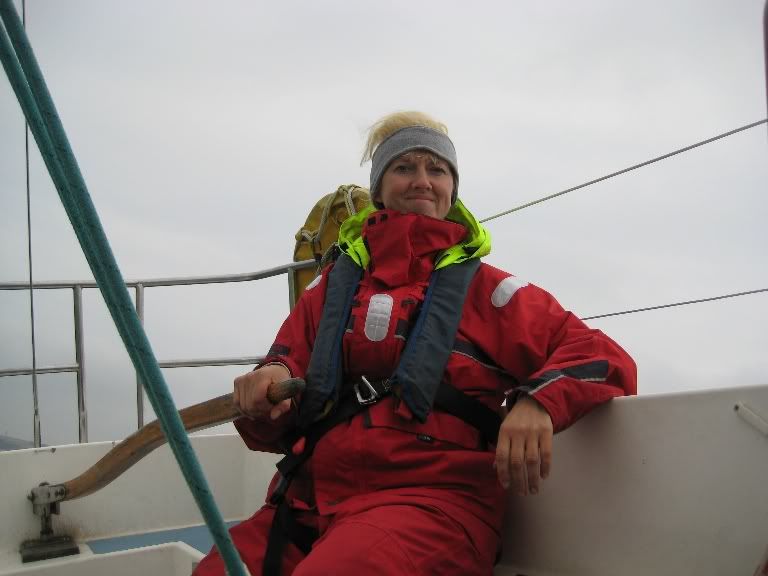
Louise took us up the Haven, under the Cleddau bridge and up the river, sailing, then motoring when the wind died.

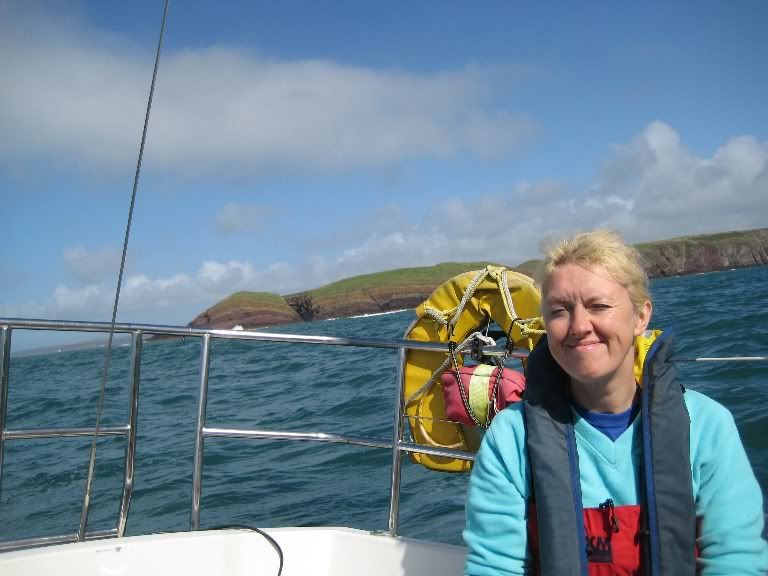
[caption id="" align="alignnone" width="300" caption="Louise"]Louise[/caption]
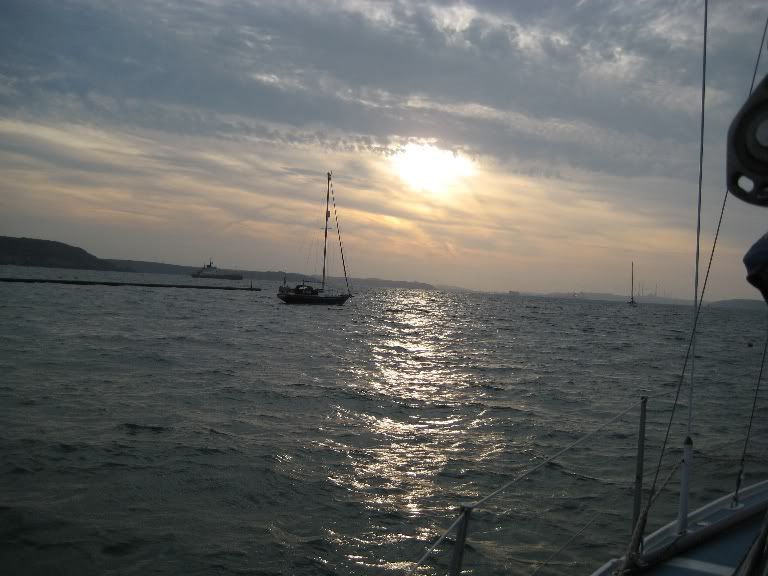
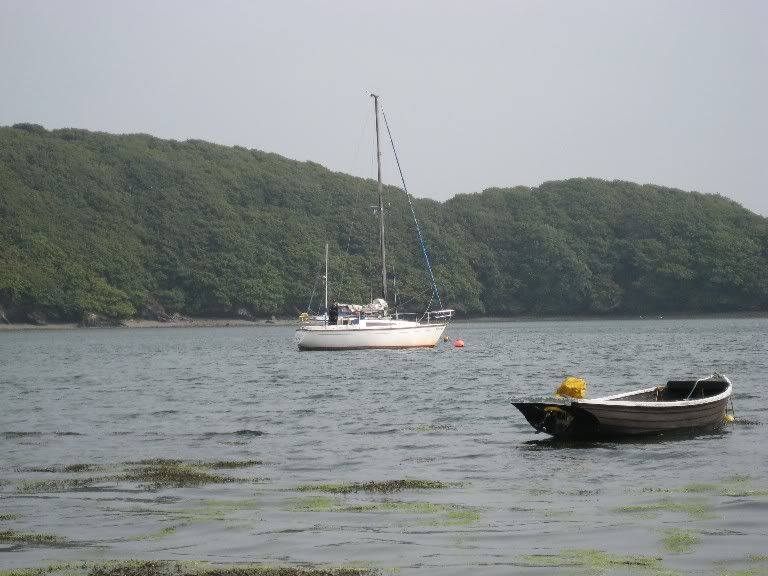
Picked up a mooring at Llangwm and went ashore. Someone was enjoying themselves:

[caption id="" align="alignnone" width="300" caption="I'm happy"]Im happy[/caption]
The pair of them went ashore on the pretense of picking blackberries. They came back with 4. Took some nice pictures though.

[caption id="" align="alignnone" width="300" caption="Ishtar, from Llangwm"]Ishtar, from Llangwm[/caption]
 

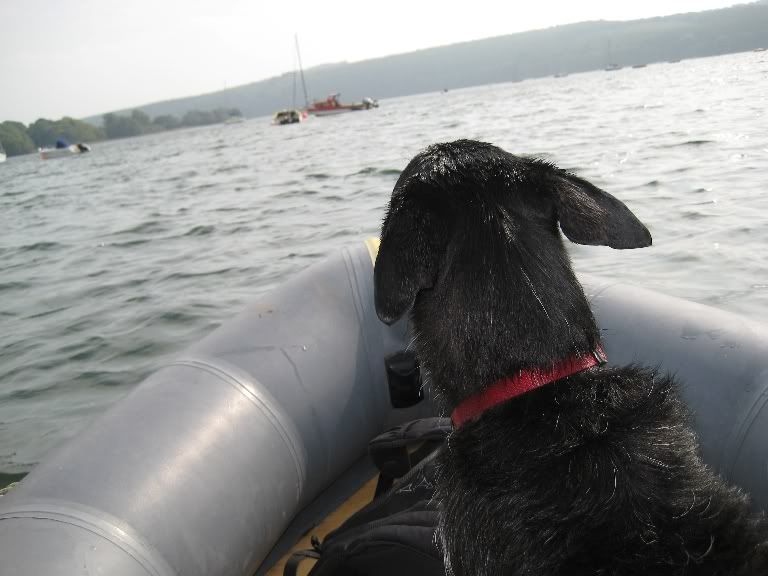
They were soon on their way back out, Tigger in the bows, watching out for sticks.

[caption id="" align="alignnone" width="300" caption="Keeping an eye out"]Keeping an eye out[/caption]
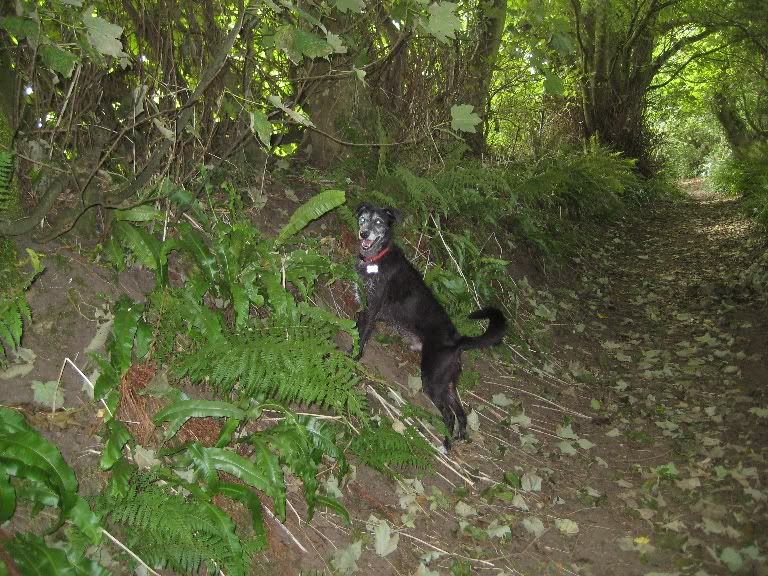
 

I waited on the boat, admiring the scenery and some welcome sunshine on this early autumn day:

[caption id="" align="alignnone" width="300" caption="Watching"]Watching[/caption]


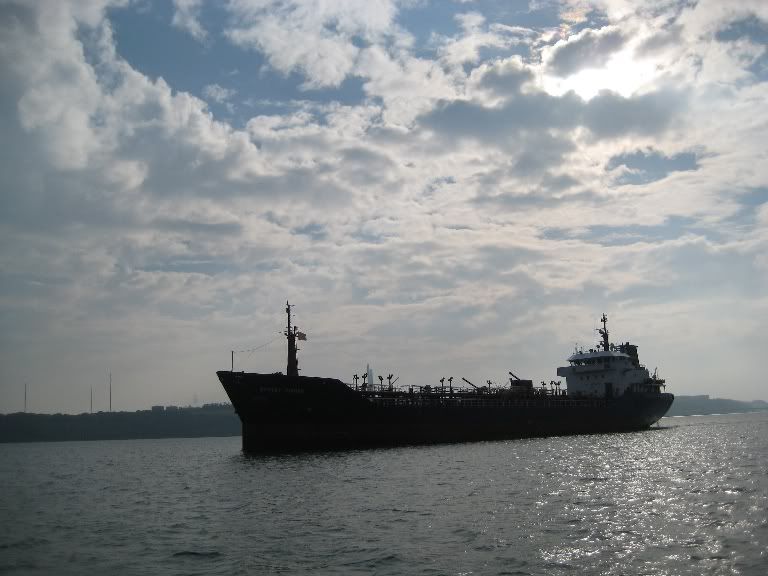
A nice relaxing sail back down th eriver, the evening sun highlighting some of Milford's industry

[caption id="" align="alignnone" width="300" caption="Tanker"]Tanker[/caption]


and great beauty

[caption id="" align="alignnone" width="300" caption="Castlebeach bay"]Castlebeach bay[/caption]


We witnessed a near miss as we approached Dale, the two skippers staring at each other like something out of a spaghetti western:

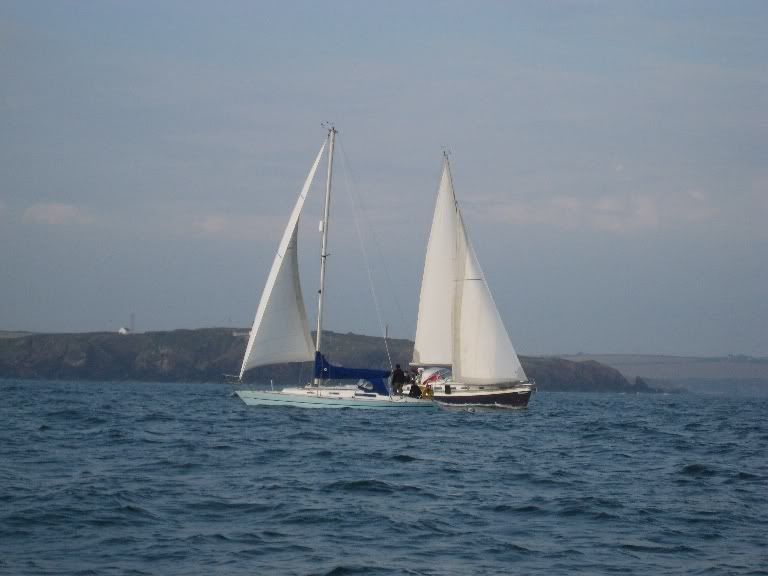
[caption id="" align="alignnone" width="300" caption="Plenty of room"]Plenty of room[/caption]


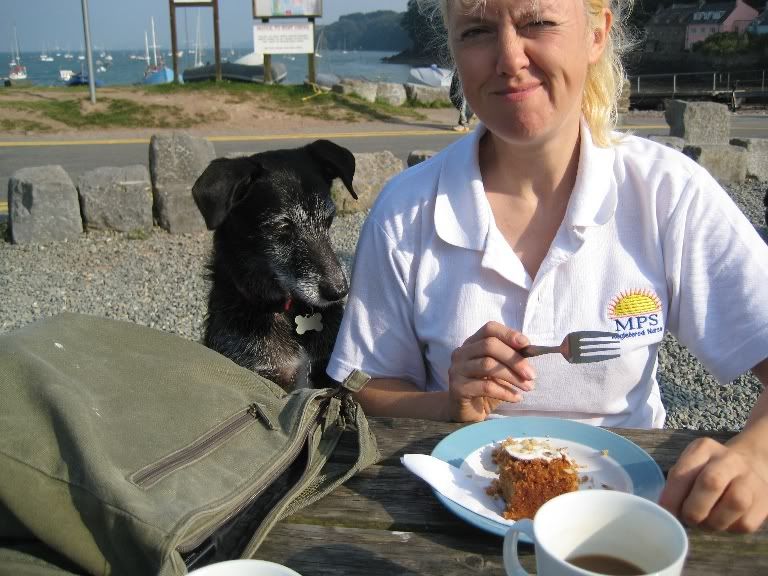
Tied up at the pontoon at Dale. A bit early for the Griffin, sadly, so Louise took the opportunity to test some cake from the cafe. I remembered the owners from 'The Lobster Pot' at Marloes, many years back. They were impressed I remembered them.

[caption id="" align="alignnone" width="300" caption="Tigger, Louise and carrot cake"]Tigger, Louise and carrot cake[/caption]